Something shifted. Couples stopped asking for the cinematic epic with sweeping drone shots and a three-minute orchestral build. They started asking for something that felt like a memory — grainy, warm, a little imperfect. The biggest wedding video trends in 2026 aren't about more production. They're about less pretense. And if you're still planning your wedding based on what was popular three years ago, you might end up with footage that already feels dated before you've even cut the cake.
Why the Old Wedding Video Formula Stopped Working
For years, the standard wedding video followed a predictable script. Wide establishing shots of the venue. A slow-motion first kiss. A highlight reel set to an acoustic cover of a song you've heard at every wedding since 2018. Couples paid a lot of money for it, watched it once on their anniversary, and quietly filed it away. It looked beautiful. It didn't feel like them.
The problem was never the camera or the editing software. The problem was that wedding videos became a genre with its own rules — and those rules prioritized looking impressive over feeling true. Couples wanted to relive their wedding day, not watch a professionally polished version of someone else's. That gap between expectation and reality is what's driving nearly every major shift you'll see in 2026.
If you've been scrolling through Instagram reels and noticed that the wedding content getting the most engagement looks nothing like traditional videography, you're already seeing the trend. The footage that stops thumbs mid-scroll is candid, close, and almost uncomfortably real. It's not trying to be a film. It's trying to be a moment. And couples are now booking specifically for that feeling — before they even think about booking a traditional videographer. If you want to understand why that shift happened so fast, this piece on why wedding content creators are one of the biggest trends of 2026 breaks it down well.
What Are the Biggest Wedding Video Trends in 2026?
There are several distinct directions pulling the industry right now. They don't all point the same way, but they share a common thread: couples want footage that is honest, fast, and made for how they actually live — which means phones, stories, and sharing the morning after. Here's what's actually taking over.
The Super 8 and Film Aesthetic
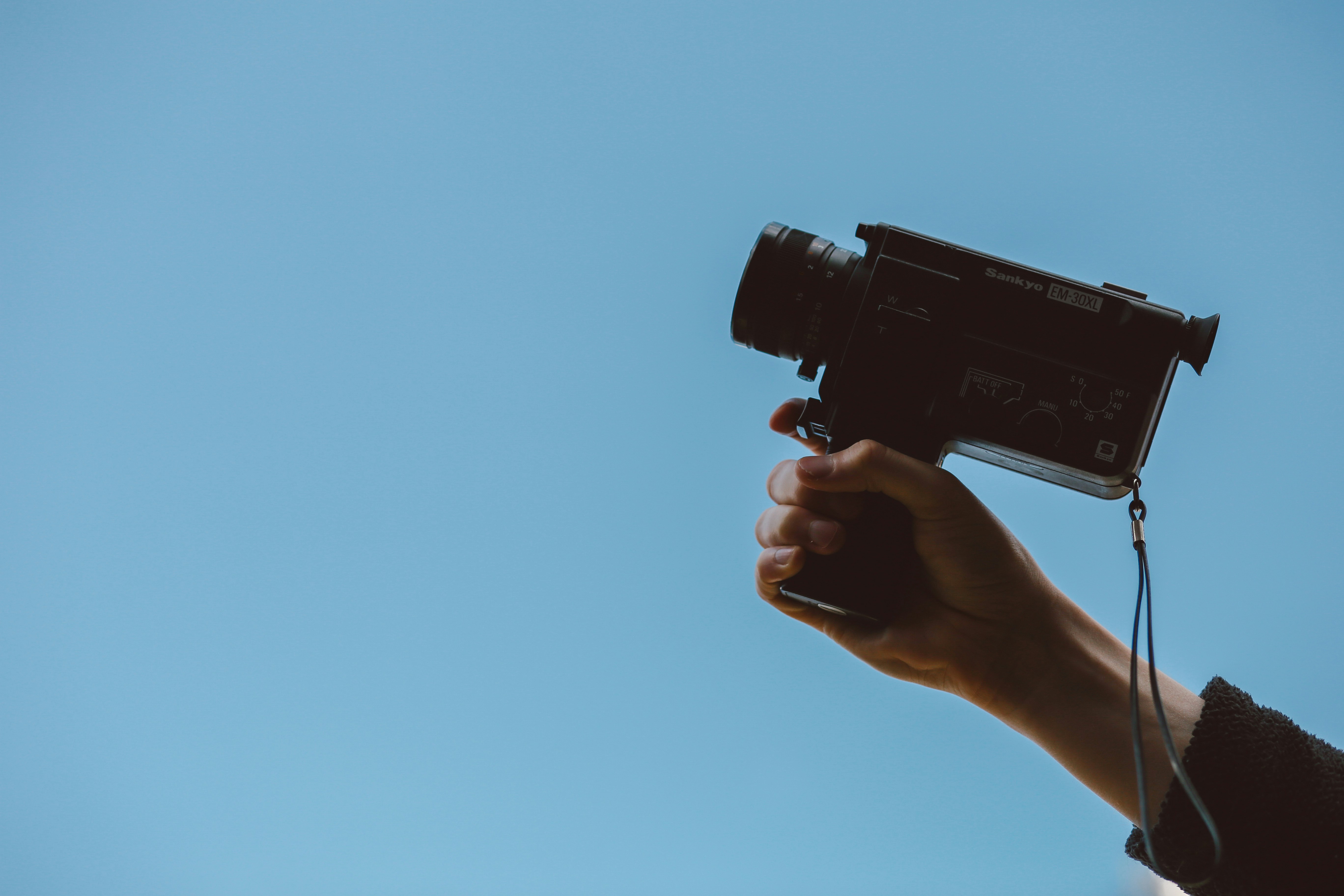
Warm grain. Slightly faded tones. Colors that feel like they've been sitting in a shoebox for twenty years and are somehow more beautiful for it. The film aesthetic has been building for a few years in wedding photography, and in 2026 it has fully crossed into video. Couples aren't just asking for film-inspired editing — many are requesting actual Super 8 film footage shot alongside their digital coverage. The result is a texture that no algorithm can replicate. It feels intimate the way a home video does, not polished the way a commercial does. When you watch it, you feel like you're intruding on something real. That's the point.
Same-Day and Next-Day Delivery
This one is changing the industry faster than almost anything else. The traditional model asked couples to wait six to twelve weeks for their wedding video. By then, the emotional high has faded, the guests have gone home, and the moment for sharing has passed. In 2026, couples are demanding footage within 24 to 72 hours — sometimes same night. They want to post before the weekend is over. They want their families to see it while they're still feeling everything. The videographers and content creators who can deliver on that timeline are booking out months in advance. If you're curious about what that process actually looks like, here's what to expect from a wedding video delivered in 24 hours.
Vertical Video Built for Mobile
Horizontal widescreen footage was built for televisions and laptop screens. Most people watch their wedding footage on a phone. In 2026, forward-thinking videographers are shooting with both formats in mind — delivering a traditional horizontal edit alongside vertical cuts formatted for Instagram Reels, TikTok, and Stories. This isn't a compromise. It's an acknowledgment of how people actually consume content. A stunning widescreen edit that never gets shared is less meaningful than a vertical reel that gets watched five hundred times by people who love you.
Raw and Unscripted Moments Over Posed Sequences
The staged first look. The coordinated bridal party walk. The posed family portraits that take forty-five minutes and leave everyone exhausted. Couples are actively moving away from choreographed moments in their video coverage and asking for something more documentary in style. They want the shot of a bridesmaid crying while fixing a veil. The groom laughing at something his best man whispered right before the ceremony started. The grandmother dancing alone near the back of the room at 10pm. These are the moments people rewatch. Nobody rewatches the part where everyone walked in a straight line.
The Wedding Content Creator Role
Separate from the traditional videographer, the wedding content creator is now a distinct booking category — and it's one of the fastest-growing in the industry. A content creator is there specifically to capture shareable, social-ready footage in real time. They're nimble, they're fast, and they're thinking about the final post while they're still on the dance floor. This role exists because traditional videography and social content creation are genuinely different skills. The couples who book both are getting the best of both worlds: a full cinematic film for their archives and a reel for their Instagram the morning after. Here's a full breakdown of what a wedding content creator actually does and how it differs from hiring a videographer.
Short-Form Highlight Reels Over Long Films
The full-length wedding film — ninety minutes of every speech, every dance, every moment — is becoming a niche product. Most couples want a three-to-five minute highlight reel that captures the emotional arc of the day without requiring the attention span of a feature film. This isn't because couples don't care about their wedding. It's because a tight, well-edited highlight is far more likely to get watched, rewatched, and shared than an hour-long documentary. The couples who do want the full film often ask for it as a companion piece — not the main event.
Music That Feels Personal
Generic licensed tracks are out. Couples in 2026 are going to significant lengths to use music that actually means something to them — the song that was playing when they met, the artist they saw together on their first anniversary, the playlist from a road trip they took three summers ago. Some are even using ambient audio from the day itself as the primary soundtrack, layering in the actual sounds of the ceremony and reception rather than music at all. When the audio is real and the visuals are warm and honest, the result is something that hits differently than any polished production ever could.
Why Does Any of This Matter for How You Book?
Understanding the wedding video trends in 2026 isn't just interesting — it changes the questions you should be asking when you're vetting vendors. The market has split. Some videographers are still producing the same product they made in 2019 and charging 2026 prices for it. Others have genuinely evolved — in their aesthetic, their turnaround, their understanding of how couples want to use their footage. Knowing the difference before you sign anything will save you from ending up with footage you don't connect with.
Ask your videographer what their editing style looks like on a cloudy day with no golden hour. Ask them how they handle candid moments versus structured ones. Ask if they can deliver a vertical cut. Ask about turnaround. These questions will tell you quickly whether someone is building their work around how you'll actually live with it, or around a template that worked in a different era. If you want a broader look at what couples wish they'd known before booking, this article on what brides wish they knew before booking wedding videography covers a lot of ground that's easy to miss when you're deep in the planning process.
What Couples Are Actually Saying After They Get Their Footage Back
The shift in what couples want is showing up clearly in how they talk about the footage after the fact. The reviews that consistently mention regret are the ones where someone booked based on price alone or trusted a generic style guide that didn't match their actual day. The reviews full of emotion and surprise are almost always the ones where the couple felt seen — where the footage captured something true rather than something technically correct.
There's a particular kind of moment that shows up in these conversations again and again. Someone watching their footage for the first time and noticing a detail they never saw on the day itself — a parent's face during the vows, a friend laughing in the background of a first dance, a quiet second between the ceremony ending and the reception beginning. That's what good footage does in 2026. It gives you back the parts of your day that you were too present, too nervous, or too overwhelmed to catch in real time.
The wedding video trends in 2026 are moving toward exactly that: coverage that prioritizes honesty over performance, speed over perfection, and moments over sequences. The couples who understand this — and book accordingly — end up with footage they'll actually watch for the rest of their lives.
Ready to See What This Actually Looks Like?
If you're planning a wedding and want coverage that feels warm, honest, and built for how you actually live — not just how a wedding is supposed to look — we'd love to show you what we do. Our work is shot in a Super 8-inspired aesthetic, delivered fast, and designed around the real moments rather than the posed ones.
Check Availability to find out if your date is open, or View Collections to see the different ways we cover a wedding day.
Frequently Asked Questions
What are the biggest wedding video trends in 2026?
The biggest wedding video trends in 2026 include the Super 8 film aesthetic, same-day or next-day delivery, vertical video for social media, and a strong shift toward candid documentary-style coverage over posed sequences. Couples are also increasingly booking separate wedding content creators alongside traditional videographers to get both a cinematic film and shareable social content.
What is a wedding content creator and how is it different from a videographer?
A wedding content creator focuses specifically on capturing social-ready footage — short, vertical clips formatted for Instagram, TikTok, and Stories — and typically delivers them within 24 hours of the wedding. A traditional videographer creates a longer-form cinematic film, usually delivered over several weeks. Many couples in 2026 are booking both for different purposes.
Why do couples want faster wedding video delivery now?
The desire to share moments while the emotion is still fresh has made fast delivery one of the most requested features in wedding videography. Couples want to post their highlights the morning after, while their guests are still buzzing and the memory is vivid. A six-week wait simply doesn't match the way people share their lives anymore.
Is the film and Super 8 aesthetic just a trend or is it here to stay?
The film aesthetic reflects a genuine cultural shift toward authenticity and warmth over high-production polish — and that shift doesn't show signs of reversing. Couples are drawn to footage that feels personal and slightly imperfect rather than technically flawless. Whether the specific Super 8 look remains dominant, the underlying desire for honest, intimate coverage is likely permanent.
Should I book a videographer or a wedding content creator?
It depends on what you want to do with your footage. If you want a cinematic film to watch on anniversaries and share with family, a videographer is the right call. If you want social-ready clips delivered fast for Instagram and Stories, a content creator is built for that. Many couples planning around the wedding video trends in 2026 are booking both because the two roles serve genuinely different needs.
How do I find a videographer who actually matches these newer trends?
Look at their recent work — not their highlight reel from three years ago. Ask specifically about turnaround times, vertical formatting, and how they handle unscripted moments. A videographer who's genuinely current will have clear, confident answers to all of those questions without hesitation.