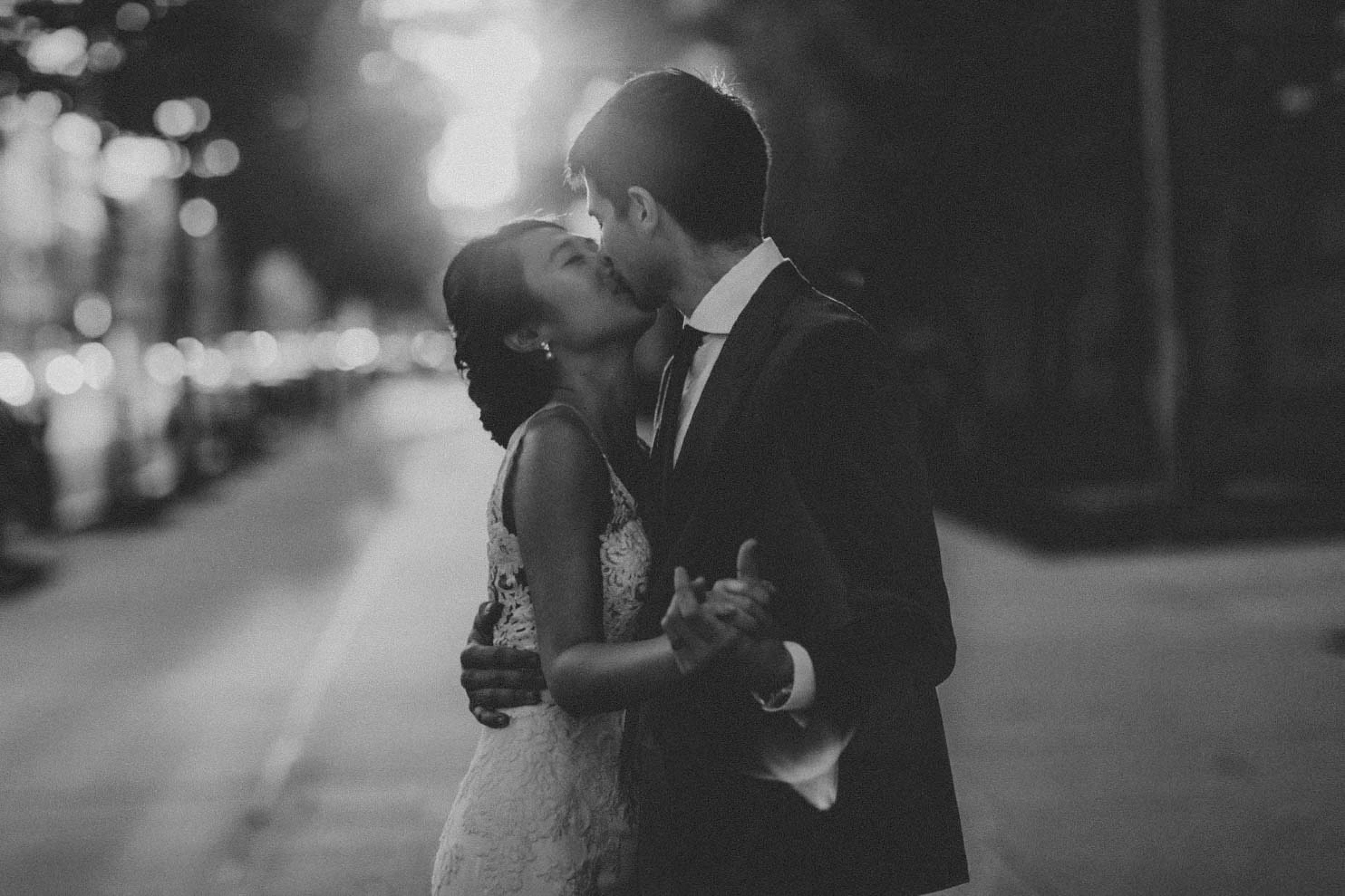
Most brides spend more time picking a cake flavor than vetting their videographer. Then the wedding happens, the footage comes back, and something feels off. The audio is muddy. The edit feels like a corporate highlight reel. The moments they actually wanted captured — the quiet squeeze of hands, the ugly-cry from mom, the way he looked at her before she even got to the altar — none of it made the cut. Wedding videography is one of the most important things you will ever book, and most people only learn what they wish they knew after it is too late to change anything.
Why So Many Couples End Up Disappointed With Their Wedding Video
The disappointment usually does not come from a bad vendor. It comes from a mismatch between what a couple imagined and what they actually asked for. Most brides go into the booking process focused on price and availability. They find someone whose demo reel looks beautiful, they check the date, and they sign. What they do not do is ask the harder questions: How long until we get our footage back? What is your editing style, really? Who will actually show up on our wedding day — you, or a second shooter from your team? These are not nitpicky concerns. They are the difference between a wedding video you watch every anniversary and one that sits unwatched on a hard drive.
The wedding videography industry is also not as standardized as people assume. Delivery timelines alone can range from 24 hours to six months depending on the company. Most couples do not discover this until after they have already signed a contract. By then, they are locked in. Understanding what you are actually buying — not just the aesthetic, but the full experience from shoot day through delivery — is the real education that most brides wish someone had given them earlier.
What Does a Wedding Videographer Actually Deliver?
This sounds like a basic question. It is not. A wedding videographer can deliver a feature-length film, a short cinematic highlight reel, raw unedited footage, vertical clips for social media, or some combination of all of the above. Many brides assume they are getting everything. Many are surprised to find out the package they booked only includes a three-minute edit. Knowing exactly what format your footage will come in, how long the final cut will be, and whether you will have access to the full raw files matters more than most couples realize until they are already watching the final product.
Delivery timelines are equally misunderstood. The industry standard for a traditional wedding film is eight to twelve weeks. Some studios take six months. A small and growing number deliver within 24 to 72 hours — which is a completely different value proposition. If you want to post your wedding video the morning after, you need to book someone who is specifically set up to deliver that way. You cannot ask a studio that operates on a twelve-week timeline to suddenly turn footage around overnight. That is a structural difference, not just a scheduling preference.
Audio is another area where brides get caught off guard. Ceremony audio, vow audio, speech audio — all of it depends on how the videographer mics the event. If they are relying solely on on-camera audio, or if they do not coordinate with your DJ or officiant about lapel mics, the most meaningful words of your day can end up muffled or lost entirely. Ask your videographer directly how they capture audio before you book.
The Style Problem Nobody Warns You About
Demo reels are designed to sell. They contain the best moments from the best weddings, shot in ideal conditions, with the most flattering music underneath. What you see in a demo reel is the ceiling of what a videographer produces, not the average. This is not a criticism — it is just the reality of how any creative portfolio works. But it means that watching a beautiful demo reel and assuming your wedding video will look exactly like that is a mistake a lot of brides make.
The more useful question to ask is not "Can I see your best work?" but "Can I see a full wedding from start to finish?" A full wedding film shows you how a videographer handles the boring parts — the getting-ready shots that go on too long, the reception speeches that do not have clean audio, the moments between moments where there is nothing obviously cinematic happening. How they handle those stretches tells you a lot more about what your video will actually look like than any highlight reel ever could.
Style is also more subjective than most brides account for. Some videographers shoot with a documentary feel — they stay back, they observe, they let moments unfold. Others are more directorial — they will ask you to repeat a kiss, to walk toward camera, to do things again for coverage. Neither is wrong. But if you are a private person who does not want to be redirected all day, booking someone with a highly directorial style will feel intrusive. If you want a lush, layered cinematic film, booking someone who only observes may leave you with footage that feels flat. Ask how they work. Watch them, if you can, at another wedding before committing.
What Brides Who Loved Their Video Did Differently
The brides who end up genuinely happy with their wedding videography tend to share a few habits. They treated the booking conversation as a real conversation — not just a price inquiry. They asked what the videographer would do if the lighting was bad, if the timeline ran late, if the venue had restrictions on where they could set up. They asked about the edit process: who edits the footage, how long it takes, whether there is any room for revision. They did not just look at the demo reel and sign.
They also thought carefully about what they actually wanted the footage for. Some couples want a long, emotional film they can watch on their anniversary. Others want short vertical clips to share on social media the next morning. Others want both. Knowing which camp you are in before you book shapes everything — the type of vendor you need, the timeline you need, and the deliverables you need to ask about. If sharing your wedding online matters to you, sharing your wedding highlights on Instagram the next day is a real possibility — but only if you plan for it.
The brides who felt the most at peace with their videography choice also read actual reviews — not star ratings, but written accounts from couples who went through the full experience. What was it like when the footage came back? Did it match what they expected? Were there any surprises? What couples say after getting their wedding footage back is often the most honest window into what working with a particular vendor is really like.
The Questions You Should Ask Before You Sign Anything
Asking the right questions is the whole game. Most couples ask about price and availability, then stop there. The questions that actually matter tend to be the ones nobody thinks to ask until afterward. Before you book any videographer, you deserve clear answers to the following.
How long until we get our finished video? This is non-negotiable information. Some vendors will give you a vague range. Push for specifics. If you are told "eight to twelve weeks," ask what the actual average turnaround has been for the last five weddings they shot. If delivery speed matters to you — and for many couples, it genuinely does — knowing what to expect from a wedding video delivered in 24 hours might help you decide what kind of vendor you actually want to book.
Who will be there on the day? Some studios send whoever is available. Others guarantee the person whose work you saw in the reel. If you booked based on a specific videographer's style and someone else shows up, the result will be different. Get the name of the person who will be at your wedding in your contract.
What happens if you get sick or have an emergency? This is uncomfortable to ask and absolutely necessary. A reputable vendor has a plan. If they stumble or get defensive when you ask, that is important information about how they operate.
What does the edit actually include? How long is the final film? Is there background music licensing included? Will you receive vertical cuts for social, or just the horizontal film? Are revisions included, and if so, how many? These are not small questions. They determine what you will actually have at the end of the process.
Why the Right Fit Matters More Than the Best Reel
Wedding videography is one of the few purchases you make where you cannot return the product or redo the experience if it is not right. You get one wedding day. What gets captured on that day is permanent. That reality makes the booking decision heavier than most couples treat it — and it is exactly why so many brides look back and wish they had done it differently.
The good news is that the information you need to make a great decision is all accessible before you sign. You just have to know to ask for it. Style, timeline, deliverables, communication habits, who actually shows up — all of this is knowable. The brides who end up loving their footage are not luckier than the ones who do not. They are just better prepared.
If you are still weighing whether professional wedding videography or a dedicated content creator makes more sense for what you actually want, reading about what a wedding content creator is and why brides are hiring one might give you a clearer picture of what your real options look like in 2025 and beyond.
Ready to Book Someone Who Gets It Right?
At Effervescent Films, we shoot in a warm, candid style built for real moments — not posed portraits or cold cinematic showpieces. We deliver fast, we communicate clearly, and we show up as the people you actually booked. If you want footage that feels like your day actually felt, we would love to talk about your wedding.
Check Availability — and let us know your date before it is gone.
Frequently Asked Questions
What do most brides regret about their wedding videography booking?
Most regrets come down to not asking enough questions before signing. Wedding videography — what brides wish they knew beforehand — almost always involves timeline expectations, editing style, and who actually shows up on the day. The brides with the most regret tended to book based on price and a pretty demo reel without digging deeper into the full experience.
How long should I expect to wait for my wedding video?
The traditional industry range is eight to twelve weeks, but some studios take up to six months. A small number of videographers and wedding content creators can deliver edited footage within 24 to 72 hours of your wedding day. If turnaround time matters to you, ask specifically about the average delivery time for recent weddings before you sign any contract.
Should I ask to see a full wedding film, not just a highlight reel?
Yes, absolutely. Highlight reels are curated to show only the best moments under ideal conditions. A full wedding film shows you how a videographer handles the less cinematic stretches of a wedding day — and that is far more representative of what your final video will actually look like. Any reputable videographer should be willing to share a complete wedding film with a prospective client.
What is the difference between a wedding videographer and a wedding content creator?
A wedding videographer typically delivers a polished, edited film — often cinematic and longer format — on a timeline of weeks to months. A wedding content creator focuses on capturing candid, social-ready footage that is edited quickly, often within 24 hours, for sharing on Instagram, TikTok, or other platforms. Depending on what you want your footage for, one may be a much better fit than the other.
What should be in my wedding videography contract?
Your contract should clearly specify who will be filming on your wedding day, the exact deliverables (length of film, format, number of edits), the guaranteed delivery timeline, what happens in case of an emergency, and whether raw footage is included. Any verbal promises your videographer makes should also be in writing — if it is not in the contract, it is not guaranteed.
Is wedding videography worth the cost?
For most couples, wedding videography — what brides wish they knew — is that it becomes one of the most-valued things they spent money on. Photos are still and silent; video captures voices, laughter, music, and the feeling of a moment in a way nothing else can. The couples who skip it for budget reasons are often the ones who feel the sharpest regret in the years that follow.