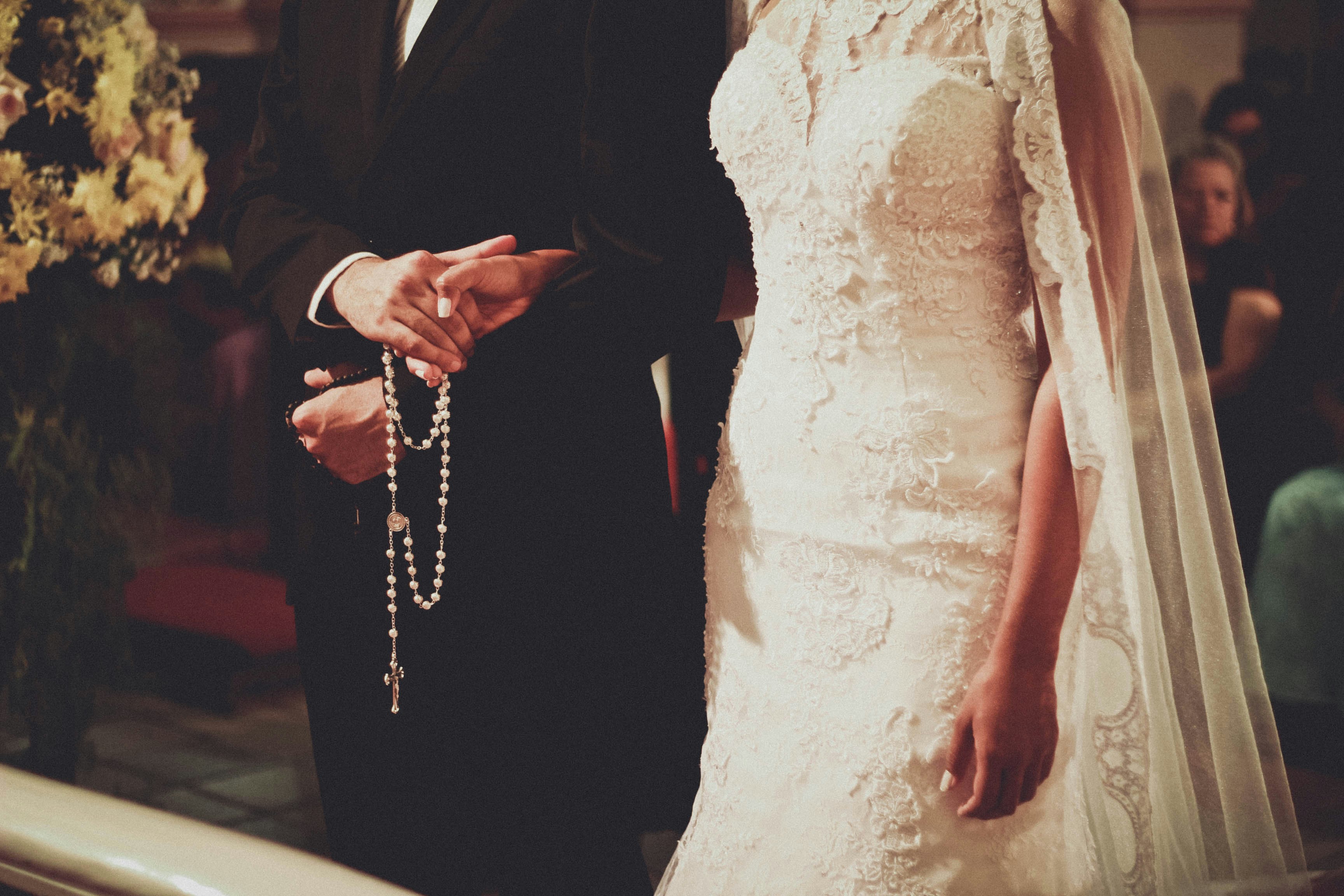
Everyone has a smartphone that shoots in 4K. Drone footage is cheap. Stabilizers make every shot look like it came out of a Hollywood production. And yet — the couples getting the most attention on Instagram right now are posting footage that looks like it was shot in 1974. Grainy. Warm. A little imperfect. The vintage wedding video aesthetic 2026 is not a niche quirk. It is one of the dominant visual stories of the year, and the reasons why say something real about what couples actually want from their wedding footage.
Why Does Everything Feel So Cold and Perfect Right Now?
Here is the problem underneath the trend. Modern wedding videography got very good at looking polished. Crisp resolution. Drone sweeps. Color-graded skies that look like screensavers. It checks every technical box. But a lot of couples watch their finished video and feel something strange — like they are watching strangers at a wedding that looks like theirs but does not quite feel like it. The footage is gorgeous. And somehow hollow.
That disconnect is real. When everything is sharp and perfectly lit, it creates distance. It feels like a commercial. And your wedding was not a commercial. It was a day full of nervous hands and laughing so hard your mascara ran and your grandmother pulling you in close before the ceremony started. That moment does not belong in a cold, crisp production reel. It belongs somewhere warmer.
So couples started looking for something else. And they found it in footage that looked older — softer, grainier, more human. That is the origin of what is now one of the most searched visual styles in wedding photography and film: the vintage aesthetic. It did not arrive by accident. It arrived because something in the market was missing.
What Is the Vintage Wedding Video Aesthetic, Exactly?
When people talk about the vintage wedding video aesthetic, they are usually describing a cluster of visual qualities that mimic older film formats — Super 8 mm, 16 mm, or early video formats from the 1970s through the 1990s. The look includes soft grain that sits on top of the image like texture on old paper. Colors that lean into amber, cream, and faded gold rather than vivid saturation. Slight vignetting around the edges. A gentleness to the light that makes every frame feel like a memory rather than a document.
It is warm in a way that digital footage rarely is by default. And crucially, it feels intimate. Grain is a byproduct of limitations, and limitations force closeness. When you cannot zoom in endlessly without losing quality, when the frame is slightly soft at the edges, the eye is drawn inward — to the people, the expressions, the details that actually matter. The aesthetic does the emotional work that technical perfection sometimes undoes.
In 2026, this look has moved from niche to mainstream. It is showing up in the wedding footage couples post most on Instagram, in the videos going viral on TikTok, and in the conversations couples are having with their videographers before they book. It is not a passing filter trend. It has staying power because it solves a real emotional problem.
Why Has Vintage Become So Dominant in 2026?
There are a few forces pushing this aesthetic forward simultaneously, and understanding them helps explain why it is not going away anytime soon.
The first force is oversaturation of the polished look. Wedding content has exploded online. Every couple shares footage now. And when everything is high-gloss and color-corrected to perfection, nothing stands out. The vintage aesthetic cuts through immediately because it looks different from everything else in the feed. Couples who want their content to feel personal — not just beautiful — are drawn to it instinctively.
The second force is nostalgia culture. Generational cycles in aesthetics are real, and right now the dominant cultural energy leans heavily into warmth, slowness, and the past. Vintage film, analog photography, physical photo albums — these things are having a moment not just in weddings but across design, fashion, and media broadly. Couples getting married in 2026 grew up with digital everything, and there is something about holding film-style imagery that feels precious in a way pixels rarely do.
The third force is authenticity. The most resonant wedding footage right now is not the most technically impressive — it is the most honest. The reason wedding videos make you cry is not the production quality. It is the moment. The vintage aesthetic is built around moments rather than production values. It signals to the viewer that whoever made this cared more about feeling than perfection. And that matters to people.
The Failed Attempt: Adding a Filter Is Not the Same Thing
Here is where a lot of couples run into trouble. They see the trend, fall in love with the look, and assume any videographer can deliver it — or worse, that a preset or filter applied in post-production will get them there. It will not. Not really.
The vintage wedding video aesthetic is not a look you add on top of footage. It is a look that comes from how footage is captured in the first place. Grain structure, lens characteristics, color behavior in natural light, the way a skilled filmmaker uses shadow and warmth — these are decisions made before the camera starts rolling. Slapping a grain overlay on crisp digital footage gives you footage that looks like it has been processed. It does not give you the intimacy and texture that makes vintage film feel the way it does.
The other failed path is booking a videographer based on their highlight reel without asking about their actual approach to this style. A lot of videographers will say yes to whatever aesthetic you describe because they want the booking. But if their natural sensibility runs toward clean and cinematic, the footage they deliver will reflect that — regardless of what filter they use in editing. Style is not just technical. It is a way of seeing.
This is why what brides wish they knew before booking wedding videography so often comes back to questions of fit and philosophy, not just price and package details. Aesthetic alignment matters more than most couples realize going in.
What to Actually Look for When You Want This Style
If the vintage wedding video aesthetic in 2026 is what you want, there are specific things worth looking for when you are evaluating who to book.
Start with their existing work, not their promises. Watch full videos — not just sixty-second highlight reels cut to music. A highlight reel can make almost anything look cohesive. A full ceremony edit or a quiet getting-ready sequence will show you whether the warmth in their work is genuine or manufactured. Pay attention to how they shoot in low light. Pay attention to whether the grain looks organic or stamped on. Pay attention to the moments they choose to keep — whether it is the close-up of hands or the wide shot of the room.
Ask them directly about their shooting philosophy. Do they prioritize capturing spontaneous moments or building composed shots? Do they use natural light as a foundation? What does their color grading process look like, and do they shoot with that end result in mind from the beginning? A videographer who truly works in this aesthetic will have real answers to these questions. Someone who is performing the style will struggle to get past the surface.
Also consider timing. The vintage aesthetic depends heavily on light, and golden hour — that last hour before sunset — is where this look lives. If your venue or timeline limits golden hour access, talk about that honestly with your videographer. The best ones will know how to create warmth even without perfect conditions, but that conversation needs to happen before the wedding day.
How This Aesthetic Changes What Your Footage Feels Like Years Later
There is a long-game argument for the vintage aesthetic that does not get talked about enough. Wedding footage is not just for sharing in the week after your wedding. It is something you come back to on anniversaries, when you are older, when you are showing your kids what that day looked like.
And here is the thing about footage that mimics the look of film from decades ago — it does not age the same way hyper-modern digital footage does. In ten years, the ultra-sharp, color-corrected cinematic style that looks contemporary right now will read as dated. It will look like 2020s wedding content in the way that wedding footage from the 1990s looks unmistakably like the 1990s. The vintage aesthetic sidesteps that trap. It already looks like it belongs to a timeless, warm past. It does not have an expiration date built into it.
Couples who have received footage in this style consistently describe the same thing when they watch it back: it feels like a real memory, not a recording of one. That distinction is everything. What couples say after getting their wedding footage back in this style almost always centers on emotional impact over technical quality — because the emotional impact is the point.
What We Do Differently at Effervescent Films
The vintage wedding video aesthetic is not a mode we switch on for clients who request it. It is the foundation of how we work. Our approach to every wedding starts with natural light, intimate proximity, and a commitment to capturing what is actually happening — not staging something that looks like it is. The grain, the warmth, the softness in our footage comes from decisions we make before we arrive at your venue, and from years of learning how to use available light the way film photographers learned to work with what they had.
We are not chasing sharpness. We are chasing feeling. And when those two things are in competition — which they often are — feeling wins every time.
If you have been scrolling through wedding footage online and something in the warm, grainy, quiet videos keeps stopping you, that instinct is worth trusting. That is your aesthetic. And it is worth finding the right person to capture it.
Check Availability to find out if we are free for your date. We take a limited number of weddings each year to make sure every couple gets the time and attention their day deserves.
Frequently Asked Questions
What makes the vintage wedding video aesthetic different from just adding a filter?
The vintage wedding video aesthetic is built into how footage is captured — the lens choices, the use of natural light, the grain structure, the proximity to subjects. Adding a filter in post-production creates a surface-level effect that rarely achieves the same warmth and intimacy. A skilled filmmaker works toward this look from the moment they arrive, not in the editing room afterward.
Is the vintage aesthetic still going to look good in ten or twenty years?
That is actually one of the strongest arguments for this style. Footage that mimics the look of older film formats does not carry the same expiration date as hyper-modern digital production. Because it already references the past, it tends to feel timeless rather than dated — which means your footage will hold up in a way that sharply contemporary styles often do not.
How do I know if a videographer can actually deliver this look?
Watch their full videos, not just highlight reels. Look at how they handle low light, whether grain looks organic, and which moments they choose to capture. Ask them directly about their shooting philosophy and color process. The vintage wedding video aesthetic in 2026 requires genuine sensibility — not just a preset — and a skilled filmmaker will be able to speak to their approach in specific terms.
Does this style work for all types of weddings?
Yes, with some nuance. The vintage aesthetic is especially well-suited to outdoor weddings, golden hour ceremonies, intimate gatherings, and venues with warm natural light. It can absolutely work in more formal or indoor settings too, but it requires a filmmaker who knows how to create warmth without relying on ideal conditions. Have an honest conversation with your videographer about your venue and timeline before booking.
Can I get both a vintage-style video and fast delivery — like same-day or next-day footage?
Yes. Fast delivery and a vintage aesthetic are not mutually exclusive. Some wedding content creators and videographers who work in this style are set up to deliver edited content within 24 hours of your wedding. If same-day or next-day content matters to you, ask about it directly when you inquire — it is worth knowing upfront whether a team offers that option.
How is this trend connected to the rise of wedding content creators?
The two trends are closely linked. Wedding content creators — who focus on capturing shareable, social-ready footage on the day itself — often lean into the warm, intimate visual language of the vintage aesthetic because it performs well and feels personal. If you are curious about how this role differs from traditional videography, the full breakdown of what a wedding content creator actually does is worth reading before you book.