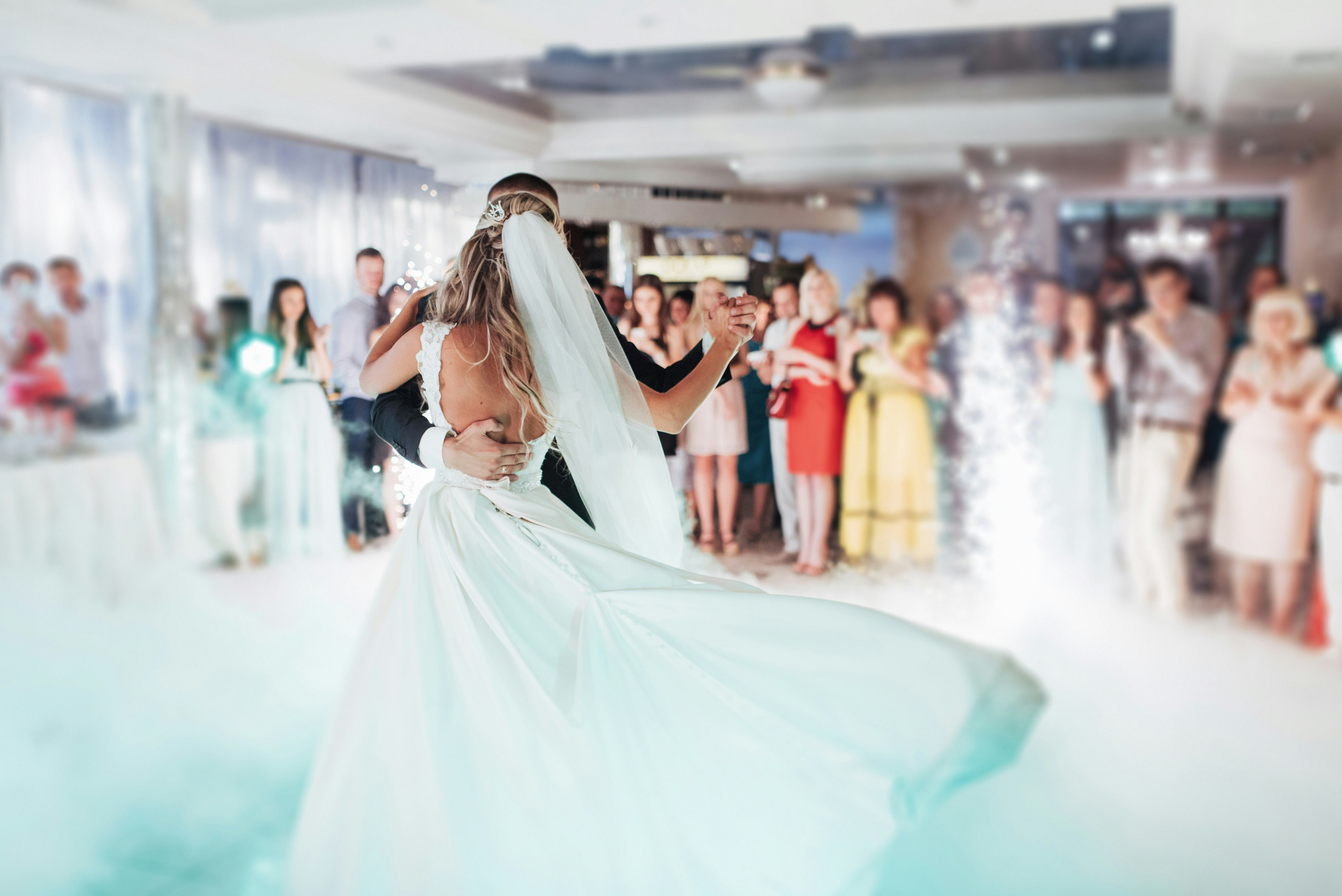
There is a quiet shift happening in how couples think about their wedding day — and most vendors have not caught up yet. It used to be that photography was the priority, video was the nice-to-have, and whatever ended up on Instagram was just a bonus. In 2026, that hierarchy has flipped. Social-first wedding content is not a trend. It is the new baseline expectation. And couples who do not plan for it in advance are the ones left scrambling the week after their wedding, watching blurry phone clips fail to capture what the day actually felt like.
Why Most Couples Walk Away Without Content They Can Actually Use
Here is the specific pain that almost no one talks about before the wedding: you can have a stunning photographer, a talented videographer, and a full production team — and still end up with nothing you can post the next morning. That is because traditional wedding vendors are not creating for social. They are creating for archives. The photographer delivers a gallery in six weeks. The videographer hands over a cinematic film in three months. Both are beautiful. Neither is what you need when your friends are tagging you at brunch the next day asking to see footage.
The gap between what couples expect and what they actually receive has never been wider. And it is not anyone's fault — it is just that the industry was not built for the speed or the format that social media now demands. Short vertical clips. Raw candid moments. Audio that sounds like it came from the room, not a studio. Content that feels like a memory, not a marketing reel. That is what social-first wedding content in 2026 means, and most traditional vendors simply do not offer it.
What Couples Have Tried — and Why It Falls Short
The first workaround couples usually try is asking a friend to film on their phone. It sounds practical. Someone already loves you, knows the people in the room, and will capture things naturally. But the reality is that your friends are guests. They are dancing, drinking, and living inside the moment — as they should be. The footage they grab is shaky, poorly lit, and missing the moments that mattered most because they were busy being present. You cannot delegate documentation to someone whose job is to celebrate.
The second workaround is leaning harder on the photographer. Some couples ask their photographer to grab a few "candid" shots specifically for Instagram. But photographers shoot for stills. Their instincts, their timing, their gear — everything is optimized for a single frame. Asking them to also think in video clips or Reels-ready moments is like asking your florist to also DJ. They might do it, but it is not what they are trained for.
The third attempt is downloading raw footage from the videographer early. Some couples beg for rough cuts before the final film is ready. But unedited wedding footage is genuinely hard to watch. It is long. The audio is inconsistent. The color is flat and ungraded. It takes a skilled eye to find the ten-second moment inside two hours of raw material. Most couples download it, feel overwhelmed, and post nothing.
If any of this sounds familiar, you are not doing it wrong. The system just was not designed to give you what you actually want. That is the real problem — and it is worth naming clearly before you try to solve it. You might also want to read about non-traditional wedding video options for social-media brides to understand the full landscape of what has changed.
The Reframe: Your Wedding Content Has Two Audiences
Here is the shift that changes everything. Your wedding day produces content for two completely different audiences with two completely different needs. The first audience is future you — the version of yourself who wants to sit on the couch in ten years and watch a cinematic film that captures the full emotional arc of the day. That audience needs time. It needs craft. A traditional videographer serves that audience beautifully.
The second audience is now you — the version of yourself who wakes up the morning after your wedding and wants to share something real and immediate with the people who love you. That audience does not have six weeks. It does not want a five-minute film with a sweeping orchestral score. It wants a thirty-second clip that feels like it was shot by someone who understood exactly where to be and what to capture. It wants something that stops the scroll.
When you understand that these are two separate jobs, you stop trying to force one vendor to do both. You start building a team that covers both. That is the foundation of social-first wedding content in 2026 — intentional coverage designed specifically for the platforms your community actually lives on, delivered fast enough to matter.
What Does Social-First Wedding Content Actually Look Like in Practice?
In practical terms, social-first wedding content means hiring someone whose entire focus is capturing your day in formats that work natively on Instagram, TikTok, and Pinterest. Vertical video. Candid moments. Authentic audio. Quick cuts. Color grading that feels warm and tactile rather than flat or overproduced. And critically — delivery within 24 to 72 hours, not weeks or months later.
A wedding content creator — sometimes called a wedding day content creator or a social media wedding videographer — is the role that has emerged to fill this gap. They are not replacing your photographer or your videographer. They are working alongside them to capture everything those two would miss: the getting-ready chaos, the text your maid of honor sent you right before you walked down the aisle, the dance floor at 11pm when no one was performing anymore and everyone was just happy. Those are the moments that make a Reel feel real.
The gear matters too. Super 8 film aesthetic, soft grain, golden hour warmth — the content that performs best in 2026 does not look like it was shot in a studio. It looks like a memory. It has texture. It has light that actually feels like the room. The couples whose content goes wide are not the ones with the most polished footage. They are the ones whose footage made people feel something in the first three seconds.
If you are curious about how this role actually functions on the wedding day itself, this breakdown of what a wedding content creator does walks through exactly how it works in practice.
How to Build a Social-First Strategy Before Your Wedding Day
Planning for social-first content is not something you figure out the week before. It starts with your vendor team. When you are booking, ask explicitly: who on my team is responsible for vertical content? Who is thinking about what I will post the morning after? If no one has a clear answer, you have a gap.
Once you have a content creator booked, the strategy conversation should happen well before the wedding. Talk through your aesthetic — not just what you want the photos to look like, but what you want the footage to feel like. Warm and nostalgic? Moody and intimate? High-energy and fun? Your content creator needs to understand the emotional register you are going for so they can make real-time decisions on the day without checking in constantly.
You should also think about your top moments. Not a rigid shot list — that is not how great social content works. But a loose map of the scenes that matter most to you. The first look with your dad. The moment your partner sees you. The toast your best friend has been writing for three months. These are the moments your content creator needs to know are coming so they can be in position when they happen.
Delivery timeline is also non-negotiable to discuss upfront. If you want to post the morning after your wedding, you need a creator who offers same-day or next-day delivery. Not every vendor does. Make sure it is in writing before you sign anything. For more on what realistic timelines look like, here is what to expect from a 24-hour delivery model.
What Couples Are Actually Saying After They Get Their Content Back
The couples who plan intentionally for social-first content tend to say the same things afterward. They talk about how surprised they were to see moments they did not even know were being captured. The quiet conversation between their parents during cocktail hour. The way their partner looked at them from across the room before the ceremony started. The unscripted laughter that happened between the formal moments. These are the clips that make people cry in their comments sections. Not because they are dramatic — but because they are true.
There is also something that happens to the couple themselves when they have content they are proud of. They are not anxious about what to post. They are not piecing together blurry phone clips at midnight while still in their wedding outfits. They wake up the next morning with something in their hands that actually represents what the day felt like. That is a different kind of relief than most people expect to feel after a wedding — and it comes directly from having planned for it.
The couples who skip this step often feel the absence most acutely about two weeks after the wedding, when the adrenaline has faded and the only things they have to look back on are a handful of tagged photos from guests and a photographer gallery that will not arrive for another month. That delay hurts more than most people anticipate. Some couples describe it clearly after the fact.
This Is the Moment to Plan for It
Social-first wedding content in 2026 is not about being obsessed with followers or performing your relationship online. It is about capturing what the day actually felt like — fast enough that you can share it while it still matters, in a format that the people who love you can actually experience. That is a real thing worth planning for. And it is a real thing that requires real intention, not an afterthought.
If you are still building your vendor team and want to make sure this piece is covered, we would love to talk through what that looks like for your specific day. Check Availability and let us know what you have in mind — we will help you figure out exactly what kind of coverage makes sense.
Frequently Asked Questions
What exactly is social-first wedding content?
Social-first wedding content in 2026 refers to footage and clips captured specifically for platforms like Instagram, TikTok, and Pinterest — vertical format, candid moments, fast delivery, and an aesthetic that feels warm and authentic rather than polished or produced. It is designed to be shared quickly, usually within 24 to 72 hours of the wedding, while the moment still feels immediate and alive.
Is a wedding content creator the same as a videographer?
No — they serve different purposes. A videographer creates a cinematic film delivered over weeks or months, built for long-form viewing and archiving. A wedding content creator captures shorter, platform-native clips designed to be shared on social media quickly. Many couples book both so they have coverage for the present and for the future.
How soon after the wedding can I expect to receive my content?
It depends entirely on the creator you book. Some offer same-day delivery, some deliver within 24 hours, and others take up to 72 hours. If posting the morning after matters to you, ask about the delivery timeline before signing and confirm it is in your contract. Turnaround is one of the most important things to clarify upfront.
Can my photographer or videographer just handle this too?
Most traditional photographers and videographers are not set up to deliver social-first wedding content because their workflows, gear, and editing timelines are optimized for different formats. Asking them to add this on is possible in some cases, but it often results in content that does not perform as well on social or arrives too late to feel relevant.
What makes social-first wedding content actually perform well on Instagram?
The clips that stop the scroll tend to be candid, emotionally resonant, and shot with a warm, textured aesthetic rather than a clean or overly polished look. Good audio, natural light, and unscripted moments consistently outperform staged or formal footage. The feeling of authenticity is what makes people pause and engage.
How do I bring this up with my current vendor team if I have already booked?
Start by having an honest conversation with your photographer and videographer about who is responsible for social content on the day. If there is a gap, it is not too late to add a wedding content creator to your team — even a few months out. Most content creators can work alongside existing vendors without any conflict.